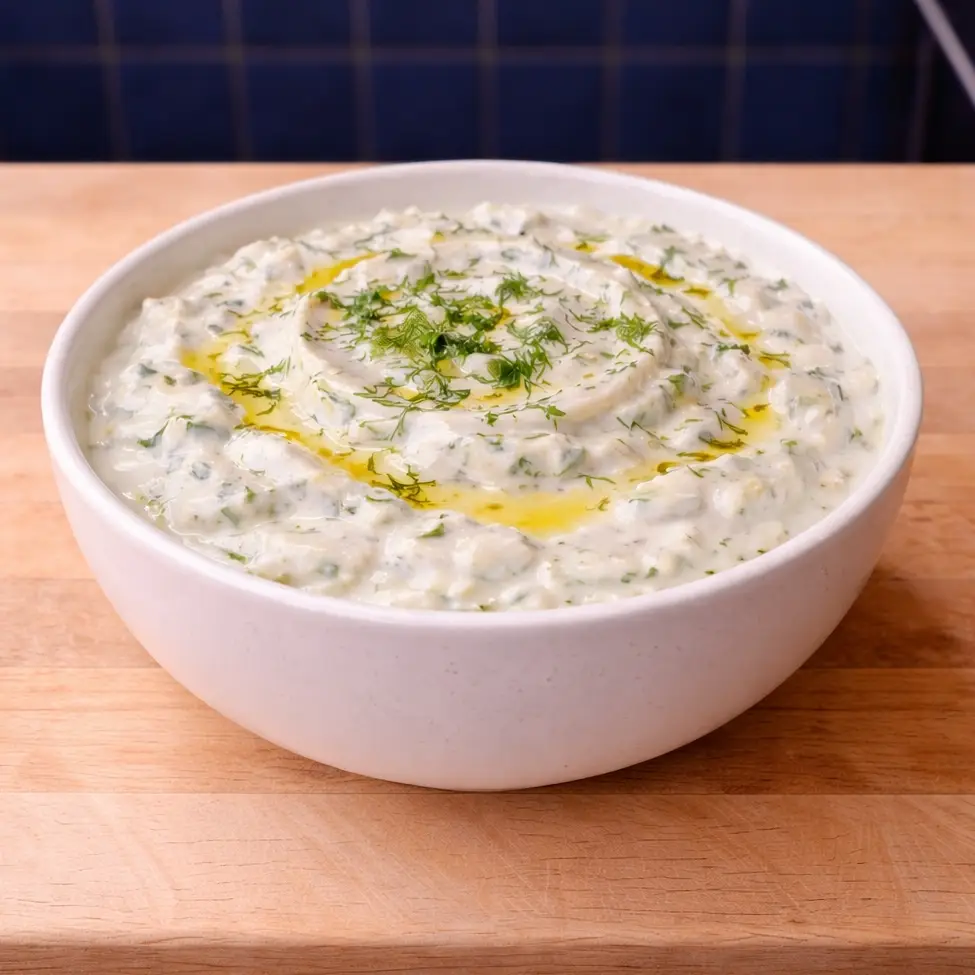
Unlock Restaurant-Worthy Tzatziki: Secrets for the Best Flavor
Imagine the cool, creamy embrace of authentic Greek tzatziki, perfectly balancing tangy yogurt with crisp cucumber, zesty lemon, and aromatic herbs. It’s the refreshing white sauce that elevates grilled meats, transforms a simple pita into a gourmet experience, and makes every dip a delight. If you’ve ever savored restaurant-quality tzatziki and wished you could recreate that magic at home, you’re in luck. This comprehensive guide will reveal the secrets behind the best homemade tzatziki sauce recipe, proving that achieving authentic, vibrant flavor is simpler than you think.
Far superior to any store-bought alternative, homemade tzatziki offers unparalleled freshness and a depth of flavor that instantly transports your taste buds to the sun-drenched shores of the Mediterranean. It’s more than just a dip; it's a staple, a condiment, and a celebration of simple, high-quality ingredients coming together in harmony. Once you master this fundamental authentic tzatziki recipe, it will quickly become an indispensable part of your culinary repertoire.
What Makes Tzatziki So Irresistible?
At its heart, tzatziki is a traditional Greek yogurt cucumber sauce. Its popularity isn't just a trend; it's a testament to its perfectly balanced profile: cool, creamy, tangy, and bursting with fresh flavors. While it might seem like a simple concoction, the authentic version relies on specific ingredients and techniques to achieve its signature thick, luxurious texture and concentrated taste. It's often the star accompaniment to dishes like gyros, souvlaki, and grilled lamb, cutting through richness and adding a bright, zesty counterpoint.
The beauty of tzatziki lies in its ability to be both comforting and invigorating. It’s a sauce that refreshes your palate, making every bite of your meal more enjoyable. The secret to this delightful experience isn't found in exotic spices or complex preparations, but rather in the quality of your core ingredients and a few crucial steps that prevent a watery, bland outcome. Let's dive into what you'll need to create your own irresistible batch.
The Essential Ingredients for Restaurant-Quality Tzatziki
Crafting the perfect tzatziki begins with selecting the right components. Each ingredient plays a vital role in building the layered flavors and desirable texture of this classic sauce.
- Greek Yogurt: The Foundation
This is non-negotiable. Opt for plain, full-fat Greek yogurt. The straining process of Greek yogurt gives it its characteristic thickness and rich, tangy flavor, which is essential for a substantial tzatziki. Regular yogurt is too thin and lacks the creamy body needed. - Cucumbers: The Crisp Counterpart
You'll typically use two large cucumbers (English or Persian varieties are excellent due to their thinner skin and fewer seeds). The key here isn't just grating, but the critical step of draining excess moisture. This is arguably the most important technique for preventing a watery sauce and ensuring a concentrated, thick result. - Fresh Garlic: The Pungent Kick
Freshly minced garlic is a must. The amount is entirely up to your personal preference – some like a subtle hint, while others prefer a more robust garlic presence. Remember, the flavors will meld and intensify as the sauce rests. - Lemon Juice: The Brightness Booster
Freshly squeezed lemon juice adds a crucial zing and brightens all the other flavors. It provides that essential tang that balances the richness of the yogurt and the earthiness of the cucumber. As an alternative, a splash of red wine vinegar can also be used for a slightly different acidic note. - Fresh Herbs: The Aromatic Soul
Traditional tzatziki often features fresh dill, fresh mint, or a combination of both. These herbs infuse the sauce with an incredible freshness and aromatic depth. Finely chopping them ensures their flavor is well distributed without overpowering. - Extra Virgin Olive Oil: The Silken Touch
A drizzle of high-quality extra virgin olive oil at the end adds a silky texture and a touch of Mediterranean richness, enhancing the overall mouthfeel and flavor. - Seasonings: Salt and Pepper
Simple salt and freshly ground black pepper are all that's needed to round out the flavors. Salt also plays a vital role in drawing moisture out of the cucumber.
Mastering the Technique: Steps to Perfection
While the ingredients are straightforward, the technique behind a truly exceptional tzatziki makes all the difference. Follow these steps to unlock the best flavor and texture:
- Grate and Drain the Cucumber: The Golden Rule
Start by grating your cucumbers using the large holes of a box grater. Place the grated cucumber in a fine-mesh sieve or a clean kitchen towel. Sprinkle generously with a pinch of salt. The salt helps draw out moisture. Let it sit for 10-15 minutes, then firmly squeeze out as much liquid as possible. You’ll be surprised how much water comes out! This step is paramount for a thick, creamy sauce that won't become watery over time. - Prepare Your Aromatics and Herbs
While the cucumber is draining, mince your garlic and finely chop your fresh dill and/or mint. - Combine Ingredients
In a medium bowl, combine the drained cucumber, Greek yogurt, minced garlic, lemon juice (or red wine vinegar), fresh herbs, and a pinch of salt and pepper. Gently stir until all ingredients are well incorporated. - The Critical Resting Period
This step is non-negotiable for flavor development. Cover the bowl and refrigerate for at least one hour, but ideally 2-4 hours, or even overnight. Allowing the tzatziki to rest gives the flavors time to meld and deepen, and the sauce will thicken further as the yogurt absorbs any remaining moisture from the cucumber. This patient waiting is what truly takes your homemade tzatziki sauce recipe from good to extraordinary. - Taste and Adjust
Before serving, give your tzatziki a final taste. Adjust salt, pepper, lemon juice, or garlic to your preference. If it's too thick, you can stir in a tiny bit of water or an extra squeeze of lemon juice. Drizzle with a little olive oil just before serving for an authentic finish.
Beyond the Gyro: Versatile Ways to Enjoy Your Homemade Tzatziki
While often associated with gyros and souvlaki, the versatility of homemade tzatziki extends far beyond traditional Greek wraps. This creamy, refreshing sauce can elevate a myriad of dishes, making it a true kitchen hero:
- Classic Dipping: Serve it alongside warm pita bread, crunchy fresh vegetables (carrots, celery, bell peppers, radishes), or even a platter of olives and feta cheese.
- Grilled Meats & Seafood: It's the ultimate accompaniment for grilled chicken, lamb chops, pork tenderloin, or even pan-seared salmon and white fish.
- Sandwich & Wrap Spread: Use it as a healthier, flavorful alternative to mayonnaise or other spreads in sandwiches, wraps, and burgers. It's particularly fantastic in turkey or veggie burgers.
- Salad Dressing: Thin it out slightly with a little extra lemon juice or a touch of water, and it becomes a vibrant, creamy dressing for green salads, pasta salads, or grain bowls.
- Baked Potato Topping: A dollop of tzatziki on a hot baked potato is a simple yet surprisingly delicious treat.
- Brunch Booster: Pair it with scrambled eggs, shakshuka, or alongside a savory breakfast frittata.
- Creative Appetizers: Swirl it into a hummus platter, use it as a base for canapés, or serve it with crispy falafel.
Once you have this easy homemade tzatziki recipe in your arsenal, you'll find countless ways to incorporate its fresh, vibrant flavor into your meals.
Tips for the Best Tzatziki Every Time & Storage
- Pronunciation: For those curious, Tzatziki is pronounced "tuh-zee-kee."
- Don't Skip the Chill: The resting period in the refrigerator is crucial for flavors to meld and for the sauce to achieve its optimal thickness. Resist the urge to serve it immediately!
- Yogurt Quality Matters: The shelf life of your homemade tzatziki is directly tied to the freshness of your Greek yogurt. If your yogurt expires in two days, your tzatziki will, too. Always check the expiration date.
- Adjust to Taste: Don't be afraid to experiment with the amount of garlic and herbs. If you love a garlicky punch, add an extra clove. Prefer more mint? Go for it!
- Consistency Check: If your tzatziki is too thick after chilling, stir in a teaspoon of water or lemon juice at a time until you reach your desired consistency. If it's too thin (which shouldn't happen if you properly drained the cucumber), you can try stirring in a tablespoon or two of extra Greek yogurt.
- Storage: Store homemade tzatziki in an airtight container in the refrigerator for up to four days. The flavors will often deepen on the second day, making it even better.
Creating restaurant-worthy tzatziki at home is a rewarding experience that elevates any meal. With simple ingredients and a focus on proper technique – especially the critical step of draining the cucumber – you can effortlessly whip up a batch that is thick, creamy, and bursting with authentic Greek flavor. Say goodbye to mediocre store-bought versions and hello to a homemade staple that will brighten your table and delight your palate. Enjoy the incredible freshness and versatility of your very own unlocked tzatziki sauce recipe!
